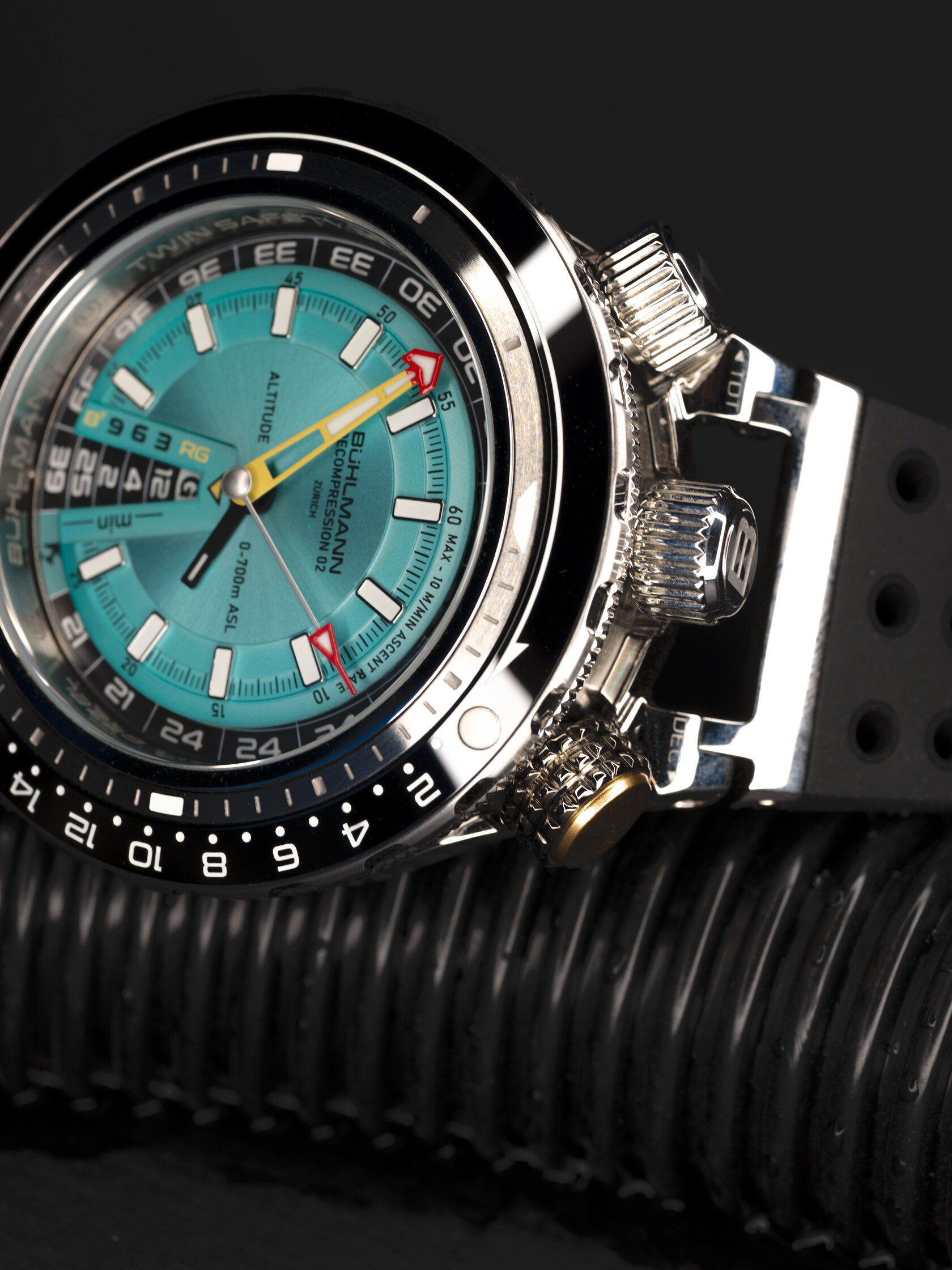
At a certain depth, intuition becomes unreliable.
Breathing changes. Time compresses. The body behaves differently. What once felt natural turns deceptive. For decades, diving relied on experience, rules of thumb, and incomplete tables. It worked, until it didn’t.
The real challenge of deep and repetitive diving was never courage.
It was uncertainty.
That uncertainty is what Albert A. Bühlmann set out to eliminate.
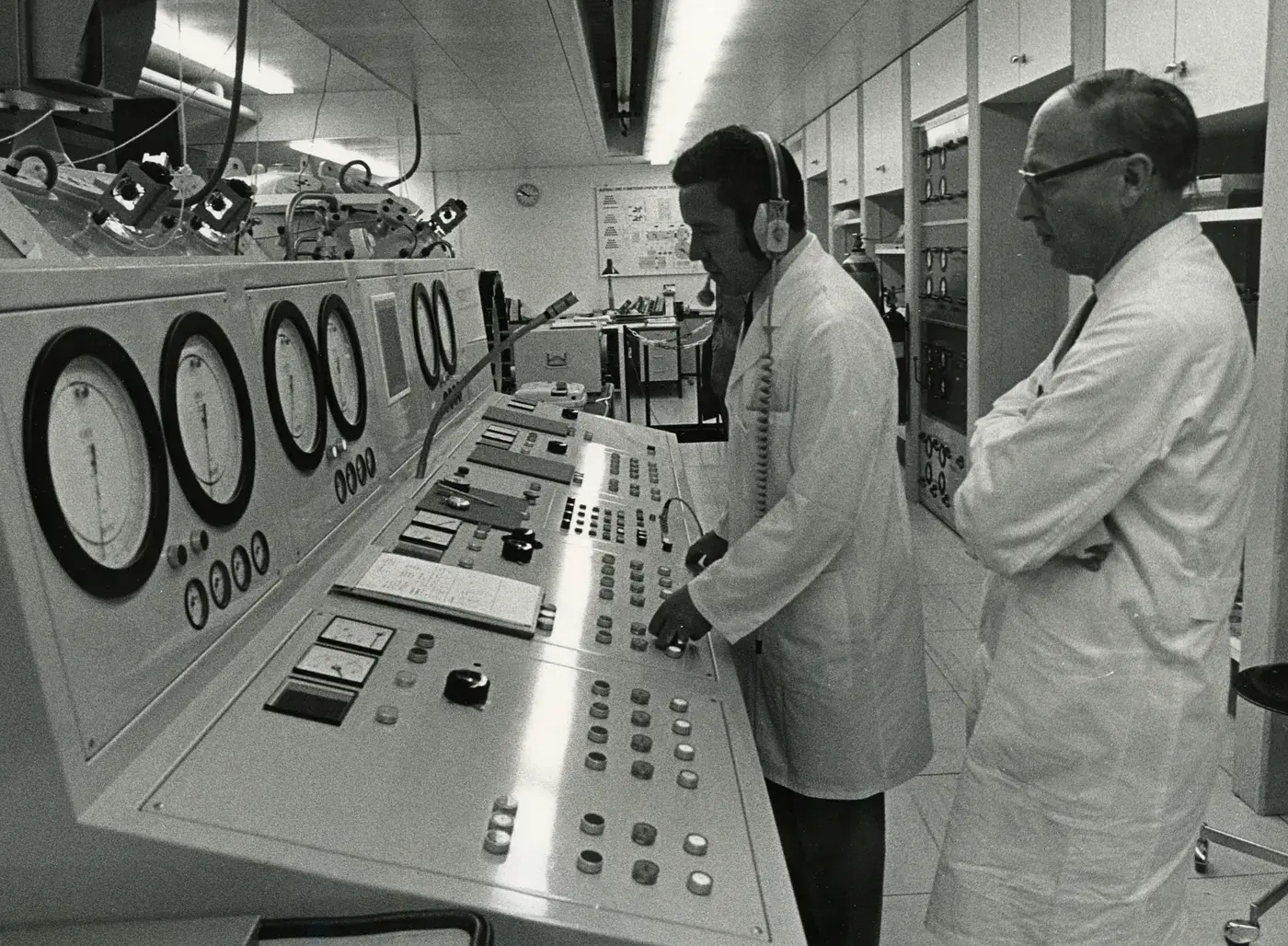
When diving outgrew instinct
In the late 1950s, diving entered a new era. Humans were staying longer underwater, going deeper, and diving not only at sea level but also in alpine lakes. Existing decompression models were fragmented, conservative in some cases, dangerously optimistic in others, and often unusable outside very specific conditions.
Bühlmann approached the problem differently. He didn’t start from tradition. He started from physiology.
By studying gas absorption and release in human tissues, and by validating his work through years of controlled chamber tests and real-world dives, he built what would become the ZH-L decompression model, the first truly comprehensive algorithm capable of describing decompression behavior across depths, durations, and altitudes.
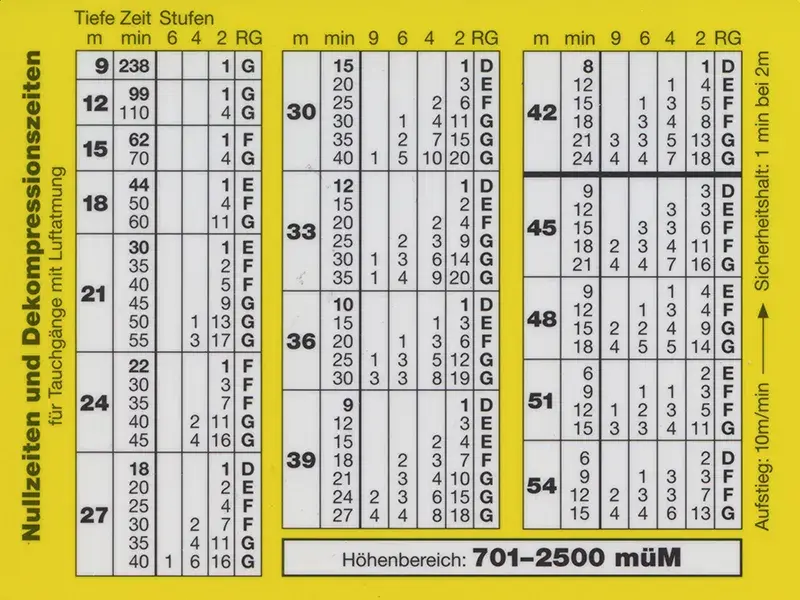
It was not elegant for elegance’s sake. It was precise because precision was survival.
The moment theory met reality
A model, however, is only as strong as the moment someone dares to trust it. That moment came with Hannes Keller.
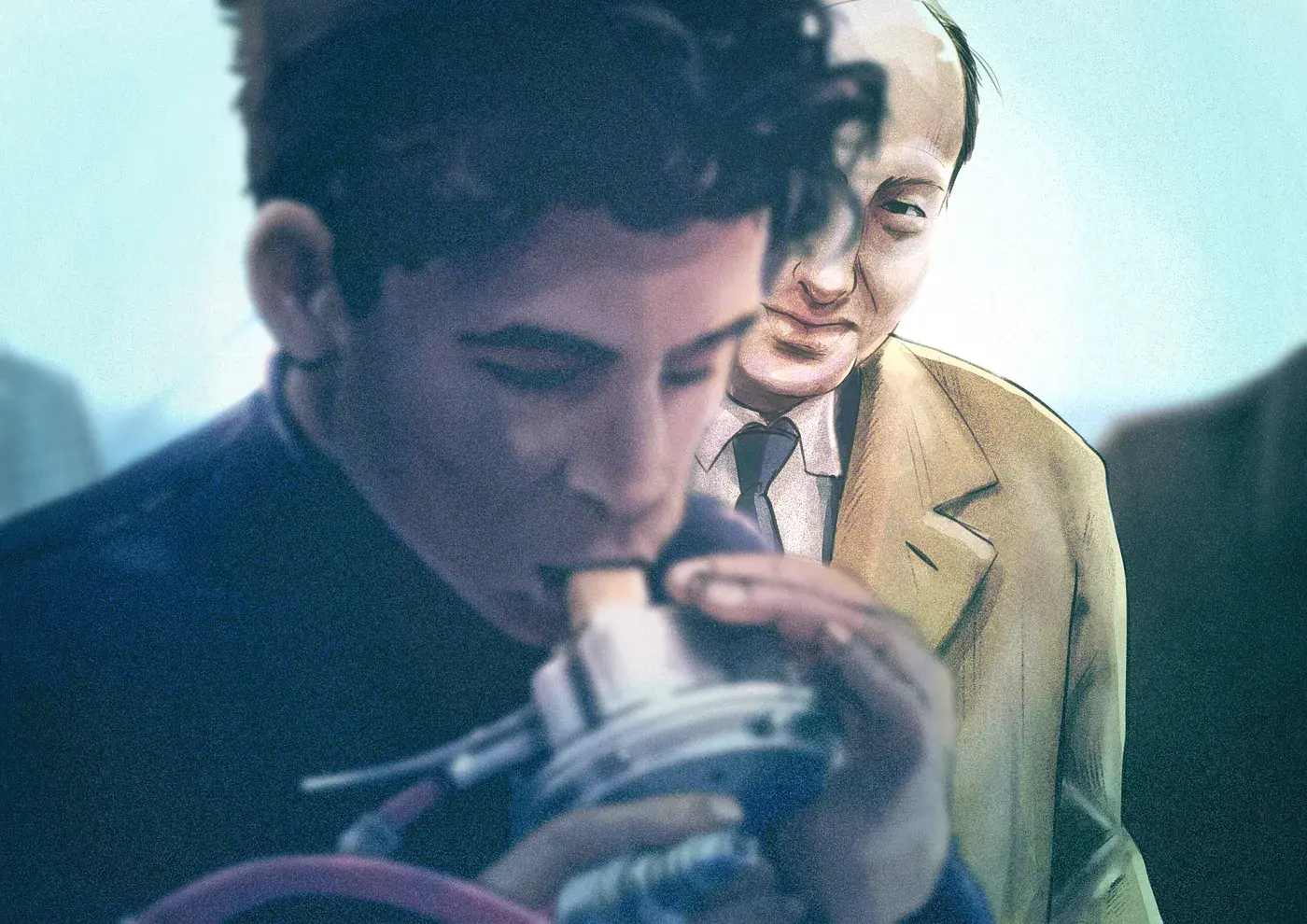
Keller was not a theorist. He was a diver pushing limits no one had reached before. When he undertook extreme depth experiments, there was no historical reference, no safety margin based on collective experience. What existed was Bühlmann’s model, and the confidence to follow it.
At depth, there is no room for belief. Only for trust. Keller trusted mathematics over instinct. And that trust worked.
The success of those dives did more than validate a theory. It marked a turning point: diving had crossed from empirical practice into predictive science.
Modern dive computers, tables, and professional protocols still rely on Bühlmann’s work today, not because it is old, but because it is correct.
From decompression tables to a mechanical instrument
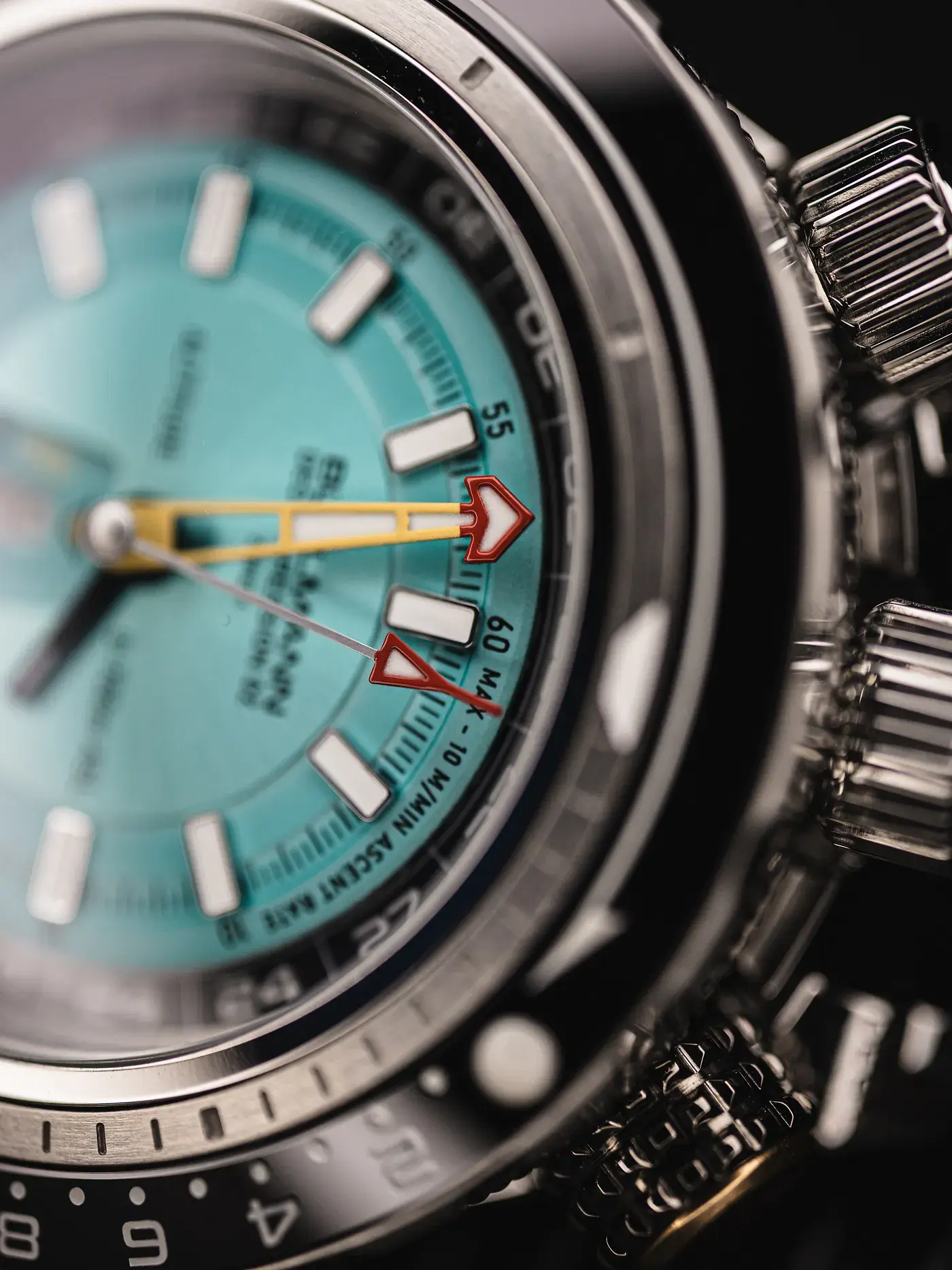
The Bühlmann Decompression 02 was not designed as a tribute. It was designed as a translation.
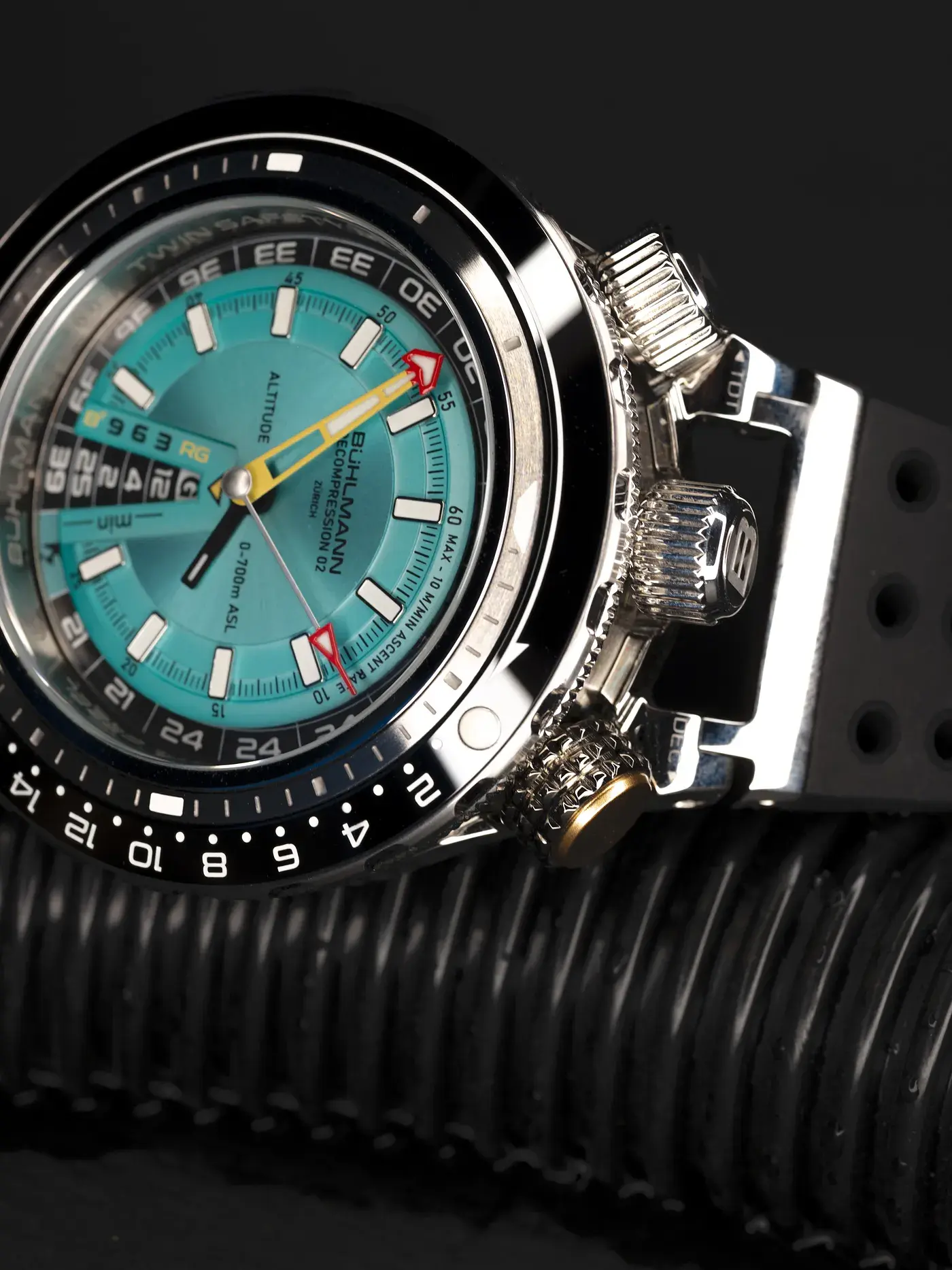
Its purpose is not to look like a dive watch, but to behave like a decompression instrument. Every element is subordinated to clarity, redundancy, and risk management, the same principles that guided Bühlmann’s research.
- A twin safety bezel, because decompression tolerates no single point of failure
- A dedicated decompression scale, because ascent is as critical as descent
- A layout optimized for legibility under stress, not for symmetry or trend
This is why the watch is uncompromising. It does not shrink to please wrists, nor simplify to appeal to fashion. It accepts its presence, just as the science behind it accepts the realities of pressure.
How it works — and why that matters
The mechanics of the watch are explained in detail in the existing How it Works video, which we invite you to watch or embed here. What matters more than the mechanism itself is the philosophy behind it.
This watch does not measure adventure. It measures consequences.
It exists for divers who understand that safety is not intuitive, and for collectors who recognise that true innovation is often invisible at first glance.
Learn more about the Bühlmann Decompression 02